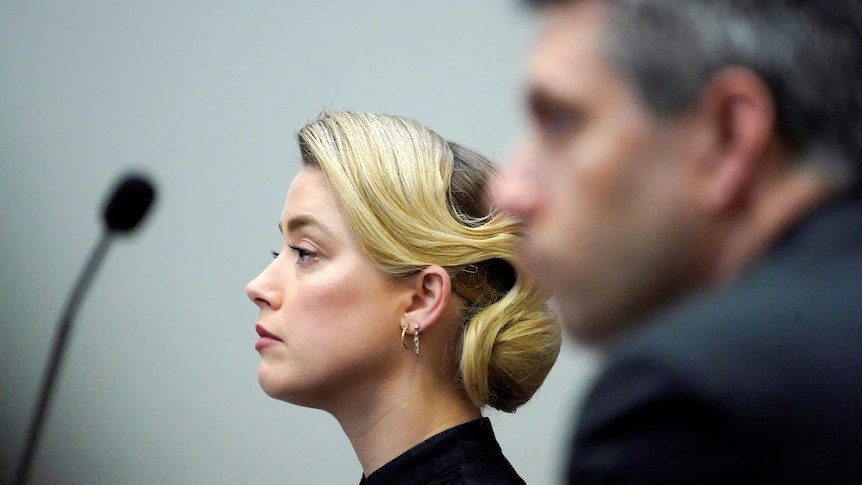
In 2022, the world watched, transfixed, as the Johnny Depp vs. Amber Heard defamation trial unfolded. It wasn’t just a legal battle; it became a global spectacle, with millions tuning in daily to watch the courtroom drama unfold. Social media platforms, especially TikTok and Twitter, buzzed with viral content, commentary, and memes, shaping public perception of the case. However, beneath the surface of this widespread engagement was a disturbing undercurrent: the deeply misogynistic portrayal of Amber Heard, which not only skewed the narrative but also highlighted the enduring bias against women in the media.
As the trial progressed, online discourse quickly devolved into a toxic environment where misinformation and bias flourished. Commentators, many with no legal expertise, weighed in with their interpretations, often favouring Depp while vilifying Heard. The trial, supposed to be about defamation, was reframed as a morality play, with Depp cast as the victim and Heard as the villain. This narrative ignored the complexities of the case and reduced it to a simplistic battle of good versus evil, a familiar trope that unfairly burdened Heard.
Misogyny played a central role in this portrayal. From the beginning, Heard was subjected to a level of scrutiny and criticism that was disproportionate and deeply gendered. Her actions, demeanour, and even her emotions were picked apart and criticized. When she cried on the stand, her tears were dismissed as manipulative, yet when she remained composed, she was labelled cold and calculating. This double standard is a common tactic used to discredit women, where any reaction they have is weaponised against them.
The misogynistic coverage was particularly evident on social media platforms like TikTok and Twitter. Short clips of Heard’s testimony were taken out of context and set to mocking music or edited to make her appear less credible. Hashtags like #AmberTurd and #AmberHeardIsALiar trended for weeks. Memes depicting her as a villainous figure spread like wildfire, reducing her to a caricature. This online ‘trolling’ not only shaped public opinion but also had real-world consequences, as it could arguably have influenced the jury and the broader legal process.
What’s particularly concerning is how the media and public latched onto misogynistic tropes to discredit Heard. The archetype of the “lying woman” who falsely accuses a man of abuse was resurrected and given new life, despite the evidence and testimony presented during the trial. This trope is not groundbreaking; it has been used for centuries to silence women and undermine their credibility. In Heard’s case, it was wielded with devastating effect, not only tarnishing her reputation but also sending a chilling message to other survivors of abuse who might be considering coming forward.
The Depp v. Heard trial became a case study in how misogyny can warp public perception and derail the pursuit of justice. The media’s fixation on sensationalism and social media’s tendency to prioritise viral content over accurate content created a perfect storm that drowned out reason in favour of clickbait and character assassination.
In the end, the trial’s legacy may be less about the legal principles it involved and more about the way it exposed the enduring and pervasive nature of misogyny in our society. The coverage of Amber Heard serves as a stark reminder that when it comes to women in the public eye, the court of public opinion is often far harsher than any courtroom.

 Misogyny & Mainstream Media